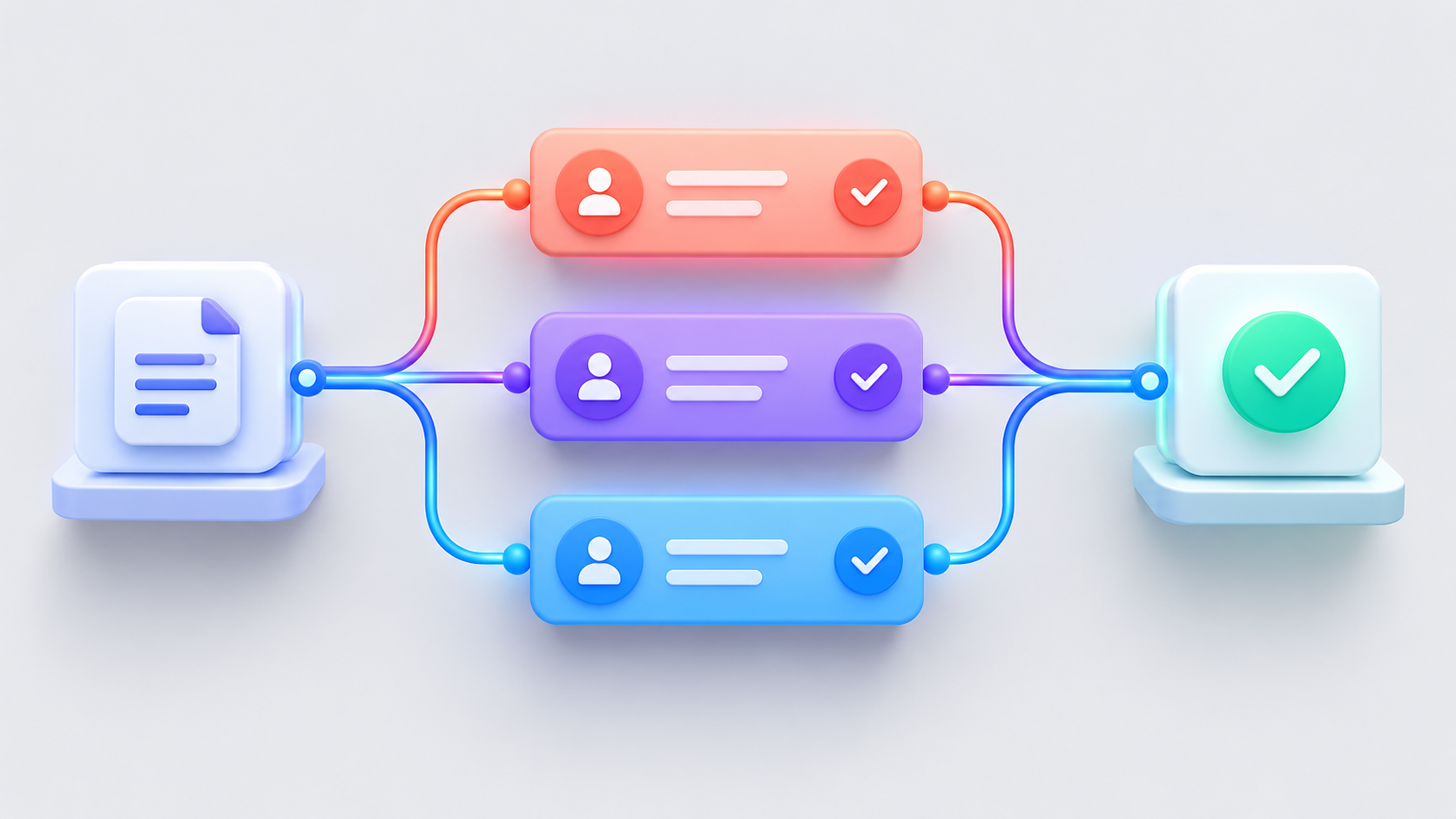
Turning a strong idea into a product people love
A promising idea is only the beginning. The best digital products take shape when clear purpose meets the needs of real people.
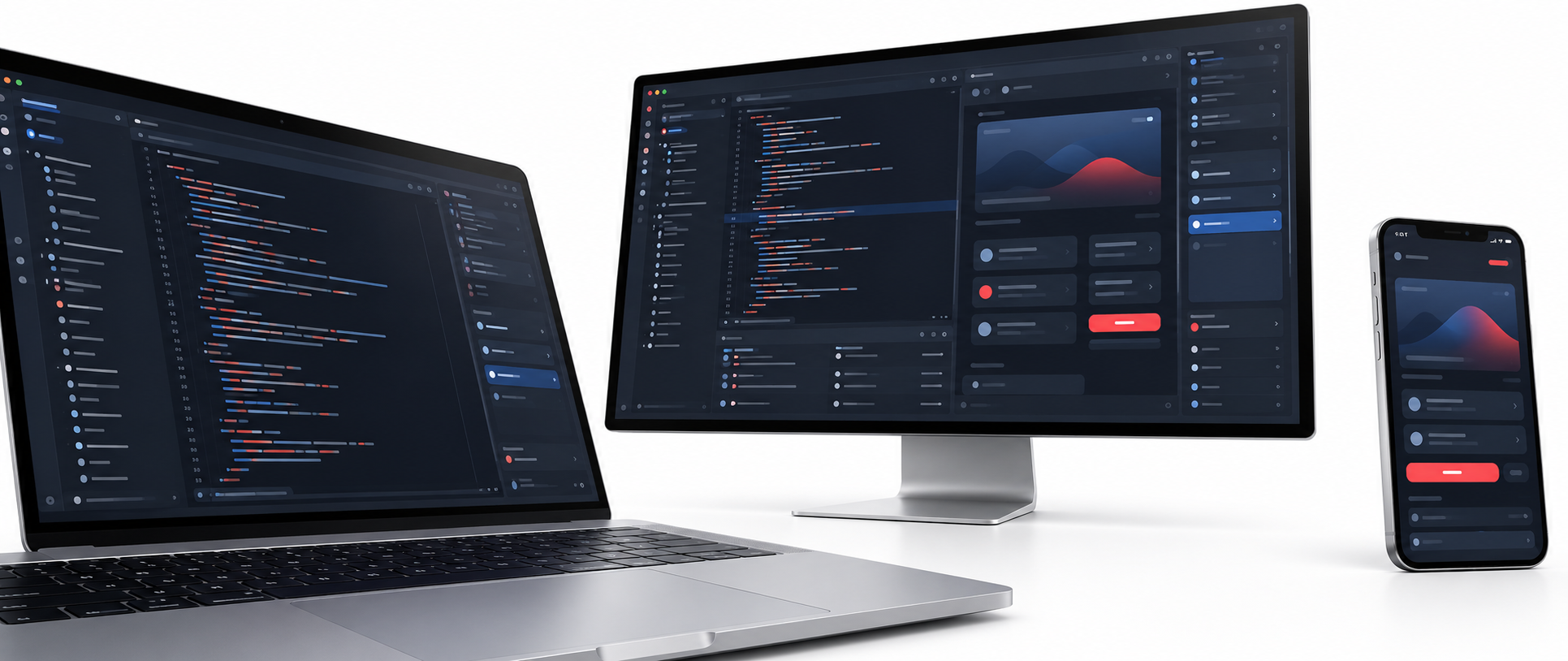
Every product starts with a possibility. But moving from an exciting idea to something people choose to use takes more than a list of features. It takes a clear understanding of the problem, the people experiencing it and the change a product should make.
Get close to the people you are building for
Start by listening. Watch how people work today, where they lose time and what they have already tried. A spreadsheet that three people update by hand, a WhatsApp group used as a task list, a sticky note on a monitor: these are the clues that tell you where the real need is.
These conversations help separate the underlying need from the first solution someone imagined. "We need a dashboard" often turns out to mean "I never know which projects are late." That second sentence is far more useful to design for.
The first solution someone describes is rarely the product. The problem underneath it usually is.
Ship the smallest useful version
From there, define the smallest version of the product that is still genuinely useful. A focused first release gives a team room to test its assumptions, learn from real use and make deliberate improvements, instead of building complexity on speculation.
Small does not mean rough. The first release should do a few things properly, so that the feedback you get is about the idea and not about rough edges.
Keep purpose and experience connected
Great products keep connecting purpose to experience. When strategy, design and engineering share the same direction, every release can make the product more useful and more trusted.
If you only remember three things
- Look for the need behind the first solution people describe.
- Release a small, well-made first version and learn from real use.
- Keep strategy, design and engineering pointed at the same outcome.
 See it in practice · Dexter IntelligenceOne place to run every project at Dexter IntelligenceRead the case study